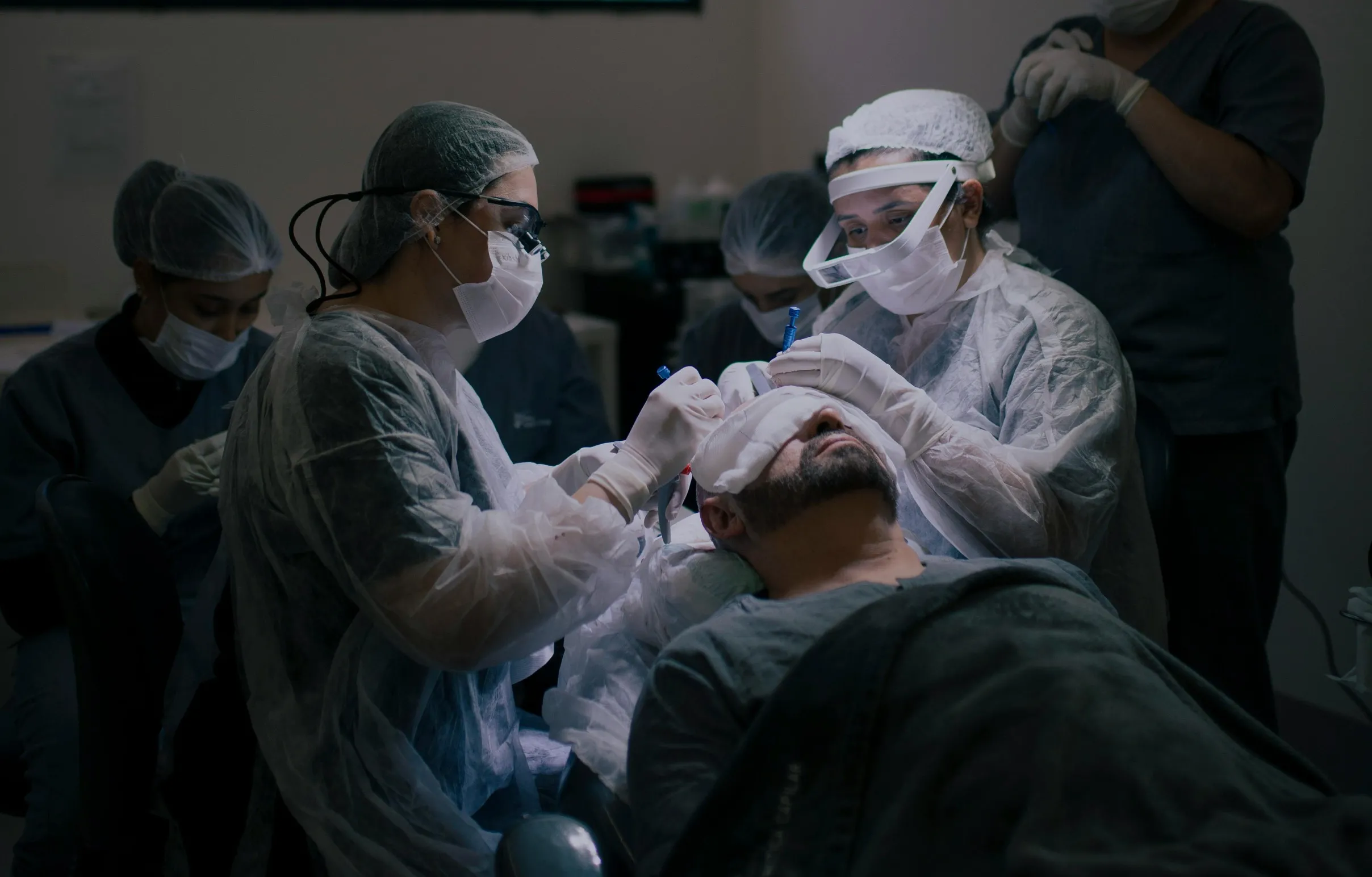
More than just appearance might be impacted by hair loss. It affects a lot of people's self-esteem, confidence, and everyday ease in social or professional settings. Hair thinning and baldness are widespread issues for both men and women worldwide, regardless of the cause—genetics, hormonal changes, stress, aging, or medical conditions.
More individualized and natural-looking choices are now available thanks to contemporary hair restoration procedures. FUE, DHI, eyebrow restoration, beard transplantation, and PRP therapy are among the procedures that are intended to assist patients who prefer modest, realistic improvements over drastic or fake ones.
Managing hair restoration overseas might be intimidating for people from other countries. Without the right assistance, it might be difficult to comprehend potential therapies, clinic standards, anticipated outcomes, recovery schedules, and general coordination.
Health Bridge is crucial in this situation. Health Bridge is a patient coordination and medical concierge service in Moldova that connects foreign patients with trained physicians and carefully chosen clinics. We don't carry out treatments or offer medical care. Rather, we provide transparent, well-organized, and individualized support to patients throughout their medical journey.
Understanding Modern Hair Restoration
Why Hair Loss Happens
Hair loss can develop gradually or suddenly, depending on several factors, including:
- Genetic predisposition
- Hormonal imbalance
- Stress and lifestyle factors
- Nutritional deficiencies
- Aging
- Certain medications or medical conditions
- Scalp inflammation or trauma
Treatment strategies vary depending on the cause. For this reason, before choosing any surgery, it is crucial to have it properly evaluated by qualified doctors.
The goal of contemporary hair restoration is to provide results that seem natural while maintaining the health of the scalp and honoring each patient's distinct characteristics and expectations.
Hair Transplantation Techniques
What Is Hair Transplantation?
A cosmetic treatment called hair transplantation involves moving healthy hair follicles from one part of the body—usually the back or sides of the scalp—to areas that are balding or thinning.
The objective is to produce outcomes that look balanced, age-appropriate, and natural, in addition to restoring hair growth.
Modern techniques are far more advanced than those in the past, enabling less scarring and more accurate follicle placement.
FUE Hair Transplant
Understanding FUE (Follicular Unit Extraction)
One of the most popular techniques for hair restoration nowadays is FUE. Individual hair follicles are removed from the donor region and inserted into the treatment region during this process.
FUE does not necessitate the removal of a sizable portion of scalp tissue, in contrast to earlier strip techniques. Typically, this leads to:
- Minimal visible scarring
- Faster recovery time
- Greater flexibility with hairstyles
- Natural hairline design
FUE is commonly used for:
- Receding hairlines
- Crown thinning
- General scalp hair restoration
- Scar camouflage
What Patients Usually Expect
Patients frequently value the effects' slow and organic progression. Hair growth usually takes several months to occur, with progressively noticeable changes.
Realistic expectations are crucial because results vary based on individual healing, scalp health, hair quality, and donor availability.
DHI Hair Transplant
What Is DHI (Direct Hair Implantation)?
DHI is considered a refined variation of FUE. In this technique, extracted follicles are implanted directly into the scalp using a specialized implantation tool.
This method may allow:
- More controlled implantation angles
- Dense placement in selected areas
- Reduced handling of follicles
- Precise hairline shaping
DHI is often considered by patients seeking detailed work in visible areas such as the frontal hairline.
Natural-Looking Results Matter
Achieving hair growth patterns that correspond to the patient's natural direction and density is a top priority in DHI operations.
A successful outcome is frequently subtle as opposed to striking. Helping the repaired hair mix seamlessly with the natural hair is the goal.
Beard Transplantation
Facial Hair Restoration for Men
Beard transplantation has become increasingly popular among men experiencing patchy beard growth, uneven density, or hair loss caused by scars or genetics.
The procedure typically involves transferring hair follicles to targeted facial areas such as:
- Jawline
- Mustache
- Sideburns
- Cheeks
- Goatee region
Why Patients Consider Beard Transplants
While some patients want to restore hair in injured regions or improve face symmetry, others seek beard restoration for aesthetic harmony.
Natural direction and follicle placement are crucial for realistic outcomes, just like with scalp operations.
Professional evaluation is crucial before treatment planning because recovery times and results differ from person to person.
Eyebrow Transplantation
Restoring Fuller, Natural Eyebrows
Eyebrows are crucial for symmetry and facial expression. Overplucking, genetics, trauma, burns, or illnesses can all cause hair loss in this area.
To restore the contour and fullness of the eyebrows, precisely chosen follicles are used in eyebrow transplantation.
Precision Is Essential
Unlike scalp hair restoration, eyebrow transplantation requires extremely precise placement because eyebrow hairs grow at unique angles and patterns.
Patients often seek this treatment to achieve:
- Fuller brows
- Better facial symmetry
- Scar coverage
- More defined eyebrow contours
The overall objective is typically a soft and natural appearance that complements facial features.
PRP Therapy for Hair Restoration
What Is PRP Therapy?
A non-surgical procedure called PRP (Platelet-Rich Plasma) therapy supports the health of the scalp and hair by using elements from the patient's own blood.
Following blood sample processing, specific scalp regions are treated with platelet-rich plasma.
PRP therapy is frequently investigated by individuals who are suffering from:
- Early-stage thinning
- Mild hair loss
- Hair weakening
- Post-transplant support
Understanding the Role of PRP
Rather than being a stand-alone treatment for severe hair loss, PRP therapy is frequently seen as a part of a larger hair restoration strategy.
PRP can be used by patients to assist with scalp issues and supplement other specialist-recommended therapies.
No particular result can be assured because individual responses differ.
The Hair Restoration Journey
Initial Consultation and Evaluation
Every hair restoration journey begins with a detailed evaluation. Specialists usually assess:
- Hair loss pattern
- Donor hair quality
- Scalp condition
- Medical history
- Personal goals and expectations
This stage helps determine whether a patient may be suitable for surgical or non-surgical options.
Transparent communication is essential. Ethical clinics focus on realistic outcomes rather than exaggerated promises.
Planning and Personalization
Modern hair restoration is highly individualized. Treatment plans vary based on:
- Age
- Hair texture
- Degree of hair loss
- Lifestyle
- Desired appearance
- Long-term maintenance considerations
Some patients may benefit from combined approaches, such as transplantation with PRP therapy.
Recovery and Patience
Hair restoration results develop gradually. Temporary shedding after transplantation can occur and is often discussed during consultations.
Patients are usually advised to follow recovery instructions carefully, including:
- Gentle scalp care
- Avoiding excessive sun exposure
- Limiting intense physical activity temporarily
- Attending follow-up appointments
Visible growth generally takes time, and outcomes may continue evolving over several months.
Why International Patients Consider Moldova
Moldova is becoming increasingly recognized as a destination for high-quality and personalized medical services. International patients often value:
- Modern clinic environments
- Experienced specialists
- Individualized care
- Transparent communication
- More accessible treatment costs compared to some Western countries
Equally important is the opportunity to receive coordinated support throughout the medical journey.
Health Bridge: Supporting International Patients
A Medical Concierge and Coordination Service
Health Bridge is not a clinic and does not provide medical procedures or treatment. Instead, Health Bridge serves as a medical concierge platform in Moldova that helps international patients navigate the process with greater clarity and confidence.
Our role includes helping patients:
- Connect with carefully selected clinics and specialists
- Coordinate medical appointments
- Receive support with communication and logistics
- Organize travel-related assistance
- Access transparent information throughout the journey
Every clinic within the Health Bridge network is selected according to professional, ethical, and quality standards.
Personalized Guidance and Human Support
International medical travel can feel complex, especially when patients are unfamiliar with local systems or language differences.
Health Bridge provides personalized coordination designed to make the process smoother and more understandable. We focus on:
- Clear communication
- Ethical coordination
- Respect for patient privacy
- Individual attention
- Transparency at every stage
Our goal is to help patients make informed decisions—not rushed ones.
Setting Realistic Expectations
Hair restoration procedures can improve appearance and confidence, but it is important to approach treatment with realistic expectations.
Results depend on many factors, including:
- Hair characteristics
- Donor area availability
- Healing response
- Lifestyle
- Long-term hair loss progression
A trustworthy patient journey includes honest discussions about limitations, timelines, and potential outcomes.
Patients should always feel encouraged to ask questions and fully understand their options before moving forward.
Conclusion
For patients looking for subtle, customized enhancements, hair restoration now offers a variety of modern and increasingly natural-looking solutions. Making educated decisions is crucial, whether thinking about PRP therapy, DHI, eyebrow restoration, beard transplantation, or FUE.
Trust, openness, and appropriate coordination are also necessary when deciding to seek treatment overseas. Health Bridge assists foreign patients by facilitating their access to carefully chosen clinics and skilled specialists in Moldova while offering individualized support all along the way.
We don't offer clinical care or carry out medical treatments. It is our responsibility to guide patients through the process with confidence, expertise, and clarity.
If you're thinking about hair restoration alternatives in Moldova, Health Bridge can assist you in exploring appropriate solutions and transparently and carefully planning your medical journey.
FAQs
- Is hair transplantation permanent? Transplanted hair follicles are generally considered long-lasting, but results vary depending on individual hair loss progression, scalp condition, and ongoing care. A specialist evaluation is important for realistic expectations.
- What is the difference between FUE and DHI? Both techniques involve transplanting hair follicles. DHI uses a specialized implantation tool for direct placement, while FUE focuses on follicle extraction and implantation separately. The most suitable method depends on individual needs.
- How long does recovery usually take after a hair transplant? Initial recovery often takes several days to a few weeks. Visible hair growth develops gradually over several months, and timelines vary depending on the procedure and individual healing response.
- Can PRP therapy stop hair loss completely? PRP therapy may support scalp and hair health in some patients, particularly in early-stage thinning. However, outcomes vary, and no treatment can guarantee complete prevention of future hair loss.
- Does Health Bridge provide hair transplant procedures? No. Health Bridge is a medical concierge and coordination service in Moldova. We help international patients connect with selected clinics and specialists, but do not provide medical treatment or perform procedures.