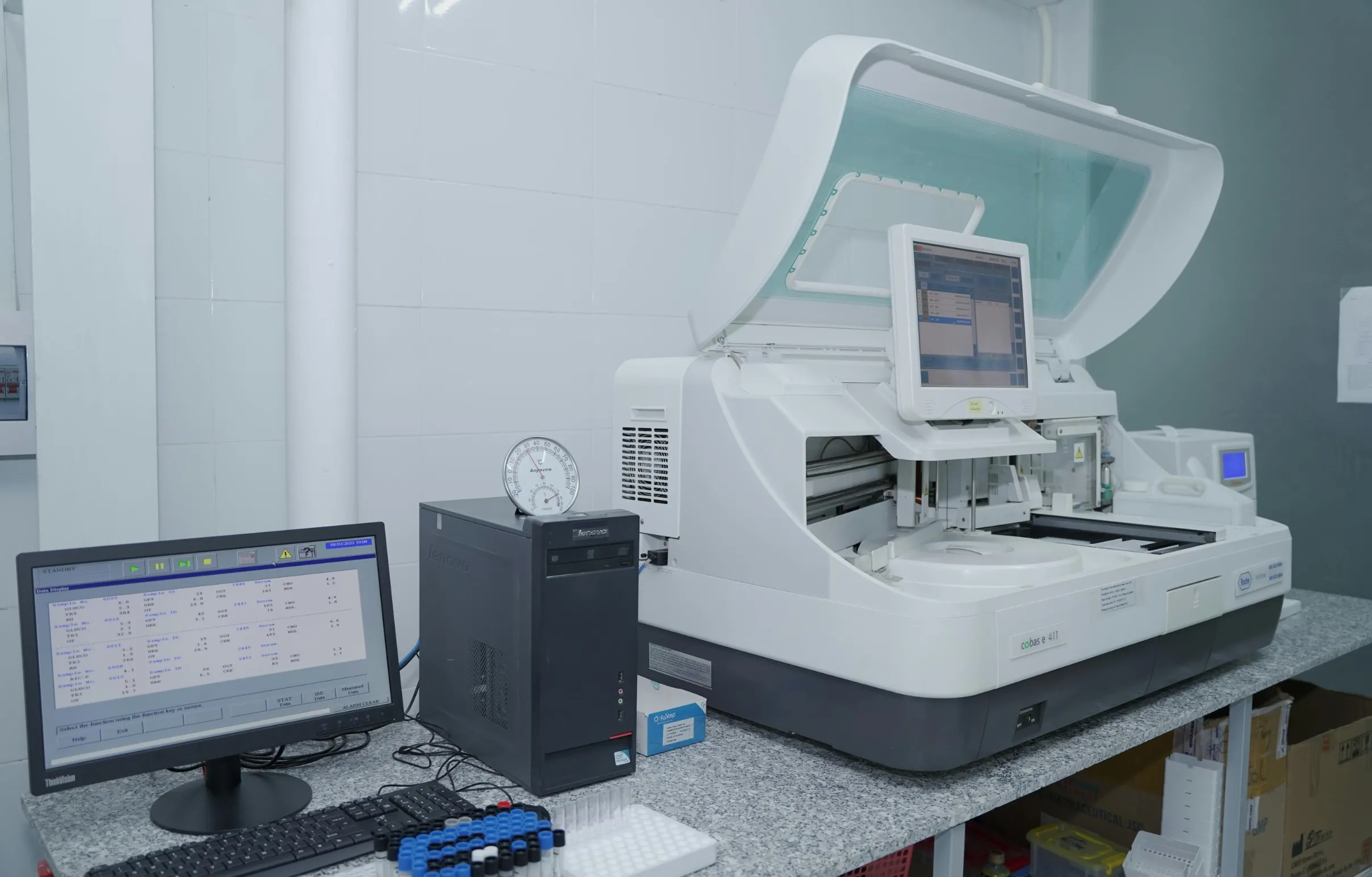
Modern healthcare is becoming more and more dependent on accurate information. To consider any treatment plans, doctors need to understand what is happening inside the body. This is where advanced laboratory diagnostics are a key factor. Laboratory diagnostics range from standard blood tests to highly specialized analyses, as they play a crucial role in identifying health problems, monitoring ongoing issues, and guiding medical decisions with greater precision.
It can be daunting for many patients from abroad to make their way through diagnostic services in another country. Questions about quality standards, communication, transparency, and coordination are frequently asked. The knowledge of the workings of advanced laboratory diagnostics and how to safely access them is crucial to making healthcare decisions.
The Republic of Moldova is growing as one of the well-known countries that offer high-quality medical services, including advanced laboratory diagnostics. By carefully choosing clinics and trustworthy medical partners, patients can have access to advanced testing technologies in a professional and supportive environment.
Health Bridge assists international patients with customized healthcare trips to Moldova. As this is a medical concierge and coordination service, it does not perform medical treatment or laboratory tests. Instead, the company facilitates the process of accessing a vetted clinic, booking appointments, and guiding patients through the diagnostic process with clarity and confidence. Continue reading more about advanced laboratory diagnostics!
Why Laboratory Diagnostics Matter
Numerous health conditions develop gradually and silently. An individual may feel perfectly fine, but important biological changes are taking place in the body. Laboratory testing offers valuable insights that can't be found in a physical examination.
Advanced diagnostics can support:
- Early identification of potential health risks
- Monitoring of existing medical conditions
- Evaluation of treatment effectiveness
- Preventive healthcare planning
- Personalized medical recommendations
- Greater clarity before undergoing procedures or therapies
Reliable diagnostics also provide an added layer of security for patients who are looking for medical treatment overseas. Clear results and professional assessments help to lower uncertainty and facilitate communication with medical experts.
Common Types of Advanced Laboratory Tests
- Complete and Extended Blood Count (CBC) One of the most often requested laboratory tests is a "Complete Blood Count" or CBC. It analyzes the various types of blood cells, including: red blood cells, white blood cells, hemoglobin, and platelets. This test can help the doctor determine overall health and to look for indications that might require more investigation, like inflammation, infections, anemia, or immune system changes. An extended CBC might consist of additional markers that give more detailed information about the body's reaction to stress, infection, or chronic conditions. For many patients, a CBC is often the initial step in the diagnosis of disease and is used as a screening test, as it provides a broad spectrum of overall health.
- Biochemical Panels Biochemical blood tests are carried out to check the function of an organ or system by measuring substances in the blood. These panels may include assessments related to: liver function, kidney function, blood sugar levels, cholesterol and lipid profile, electrolyte balance, and protein levels. During preventive health checks, biochemical tests are often used and can help detect changes that might warrant changes in lifestyle or additional medical evaluations. Comprehensive biochemical panels are a standard request for patients from overseas. From abroad, patients often ask for full biochemical panels as a part of a yearly health check-up or before starting some specific medical treatments.
- Hormonal Tests Hormones affect almost all major processes in the body, such as metabolism, mood, reproduction, sleep, and energy levels. Hormonal testing may help evaluate: thyroid function, reproductive hormones, stress-related hormones, insulin regulation, menopause-related changes, and testosterone and estrogen balance. Medical experts might recommend hormonal testing for patients who are experiencing more unusual symptoms, weight changes, irregular cycles, and/or fatigue, or fertility issues. Modern laboratory diagnostics make hormone analysis possible to help doctors to better understand complex health patterns.
- Tumor Markers A tumor marker test identifies levels of substances that are linked to specific types of cancer or other medical conditions. These tests are generally used to: support ongoing monitoring, evaluate treatment response, assist in follow-up care, and contribute to broader diagnostic evaluations. Remember that tumor marking tests alone are not used to diagnose or rule out cancer. These results are usually combined with imaging tests, medical history, and other evaluations to help doctors diagnose the condition. Having structured and clear testing procedures can help reduce uncertainty for patients during vulnerable health situations.
- Immunological Tests The immune system keeps the body safe from infections and other external threats. Immunological testing is used to assess the function of the immune system and the presence of abnormal immune responses. These tests may help assess: autoimmune conditions, allergic responses, chronic inflammation, immune deficiencies, and antibody activity. Immunological diagnostics can be useful for further medical evaluation when patients experience long-lasting symptoms or when there are unexplained health concerns.
- Genetic Diagnostics (DNA Testing) Genetic diagnostics are rapidly gaining significance in preventive and personalized medicine. DNA testing may provide information related to: hereditary health risks, family-related medical conditions, genetic predispositions, reproductive planning, and personalized treatment considerations. Genetic testing is extremely individualized and usually needs interpretation by qualified specialists. For overseas patients, it can be particularly essential to have coordinated support throughout the testing process since genetic diagnostics may require a series of consultations and discussions, documentation, and follow-up. Health Bridge facilitates patients to be matched with highly qualified clinics and specialists dealing with advanced genetic diagnostics in Moldova.
- Vitamins and Micronutrients Testing Vitamin and mineral deficiencies can impact energy levels, immune function, concentration, sleep, and overall well-being. Testing may include evaluation of: vitamin D, vitamin B12, iron, magnesium, zinc, calcium, and folate. There are several patients who experience symptoms related to nutrition imbalances, but they don't immediately identify the actual reason. Laboratory diagnostics can assist in determining where the diet may need some adjustments or expert medical guidance. Preventive testing for vitamins and micronutrients is gaining popularity among patients who are concerned about long-term wellness and balanced health care management.
- Infectious Disease Panels Infectious Disease Testing is used to determine if a virus, bacteria, or other pathogen is present that can cause disease. These panels may include evaluations related to: respiratory infections, sexually transmitted infections, hepatitis, viral infections, gastrointestinal infections, and travel-related illnesses. Early diagnosis can aid in the proper medical management and help patients to understand their condition. For international patients, having an organized infectious disease testing is especially crucial when traveling for medical care or undergoing initial evaluations.
The Patient Journey: What to Expect
Advances in laboratory diagnostics are designed to deliver information in a structured and reliable way, with patient comfort and safety.
Though every patient’s journey is different, it may include the following:
- Initial Coordination Health Bridge engages with patients to get an understanding of their health goals, medical records, and diagnostic requirements.
- Clinics and Labs Selection Patients are connected with professional and ethical clinics and laboratories in Moldova.
- Appointment Planning Scheduling, coordination, and organization support make things easier for international patients.
- Diagnostic Testing Testing is conducted by licensed medical practitioners in partner clinics and laboratories.
- Result Interpretation Medical specialists analyze results and explain findings when further consultation is required.
- Ongoing Guidance Health Bridge remains involved in communication and coordination throughout the patient journey.
This process can minimize confusion and make the medical journey simpler and transparent.
Why International Patients Seek Diagnostics Abroad
The medical tourism industry is evolving beyond surgical treatments and cosmetic surgeries. More and more, patients are coming from abroad for primary care, second opinions, and comprehensive diagnostics.
Various factors contribute to this trend:
- Access to modern technologies
- Transparent pricing
- Reduced waiting times
- Personalized coordination
- Multidisciplinary evaluations
- Comfortable patient experience
The Republic of Moldova is gradually gaining recognition as a medical destination that meets professional healthcare standards to provide patients with a more personalized medical approach.
International patients usually value the opportunity to access advanced diagnostic services in a peaceful, comfortable environment without the complexity sometimes linked with larger healthcare systems.
Moldova as a Growing Destination for Medical Diagnostics
The medical sector in Moldova is also going advanced in terms of investing in modern medical equipment, specific skills, and patient-centered services. There are now advanced laboratory capabilities in many clinics that meet international quality standards.
Fields receiving increasing attention include:
- Preventive medicine
- Reproductive health
- Endocrinology
- Cardiology
- Aesthetic medicine support diagnostics
- General health screening
Moldova might provide international patients with professionalism, accessibility, and individualized communication.
Meanwhile, making healthcare abroad decisions has to be done with caution. Not all clinics operate at the same standard, and if you go to a foreign medical system independently, it can be confusing.
This is why professional coordination is really beneficial.
Health Bridge’s Role in Supporting International Patients
Health Bridge was created to make medical travel more transparent, human-centric, and organized.
The company itself does not offer clinical procedures, laboratory tests, or medical treatments. Health Bridge is a medical concierge platform that organizes access to selected medical clinics, laboratories, and specialists in the Republic of Moldova.
The company’s approach is based on:
- Transparency and honest communication
- Personalized coordination
- Ethical medical partnerships
- Attention to patient comfort
- Clear organizational support
- International patient guidance
Health Bridge was established by Victoria Misuk, who believes in a philosophy that blends professionalism with empathy, structure, and responsibility.
The company thoroughly evaluates its medical partners to ensure that patients do not face many of the uncertainties that are common in medical tourism.
For international patients, this means receiving support not only with appointments and logistics but also with communication, coordination, and overall patient experience.
Health Bridge is also contributing to making Moldova a safer and more trustworthy international place for high-quality medical services.
The Importance of Informed Medical Decisions
One of the best parts of modern healthcare is the access to accurate information. Advanced laboratory diagnostics aid both patients and physicians by offering an increased level of understanding into a patient's health, risks, and treatment planning.
Meanwhile, balance is essential to responsible healthcare. Not each abnormal result indicates a serious condition in patients who don't have any significant disease, and not all patients require extensive testing. Evaluation of an individual medical case is still crucial.
The standard of coordination and communication can have a great impact on the overall experience for international patients. Knowing, being respected, and being supported lead to increased confidence throughout the healthcare journey.
Conclusion
Advanced laboratory diagnostics are becoming a vital part of modern medicine. These technologies can aid in making informed health decisions, from early health screenings to specialized molecular tests, and contribute to the broader understanding of health.
Clarity, transparency, and coordination matter a lot for international patients who consider diagnostic services abroad. Moldova continues to consolidate its image as a country with modern medical services in a more personalized and accessible environment.
Health Bridge supports patients by coordinating a medical journey in the Republic of Moldova in a safe, transparent, and carefully structured way. The company is a medical concierge service and does not offer medical treatment or laboratory procedures directly. Rather, it guides patients through trusted healthcare facilities and competent specialists, and customized healthcare journeys with professionalism and care.
Through its emphasis on ethical, responsible, and effective communication, Health Bridge strives to empower patients to make informed decisions with confidence and peace of mind. So, contact them today!
FAQs
- Are laboratory tests enough to diagnose a condition? Laboratory diagnostics are an important part of medical evaluation, but they are usually combined with consultations, imaging, and clinical assessments. A qualified physician must interpret results within the broader medical context.
- How should patients prepare for laboratory testing? Preparation depends on the specific test. Some analyses require fasting, while others may involve avoiding certain medications or activities beforehand. Medical professionals provide individualized instructions when necessary.
- Are advanced laboratory tests safe? Most laboratory procedures are minimally invasive and considered safe when performed in professional medical environments.
- Can international patients arrange diagnostics before traveling? Yes. Health Bridge helps coordinate appointments, documentation, and communication with partner clinics before the patient arrives in Moldova.
- Can I receive support in English or other languages in Moldova? Many clinics working with international patients offer multilingual communication in Moldova. Health Bridge also helps facilitate communication and coordination throughout the process.